



Exhibits

Experience Freeport's History
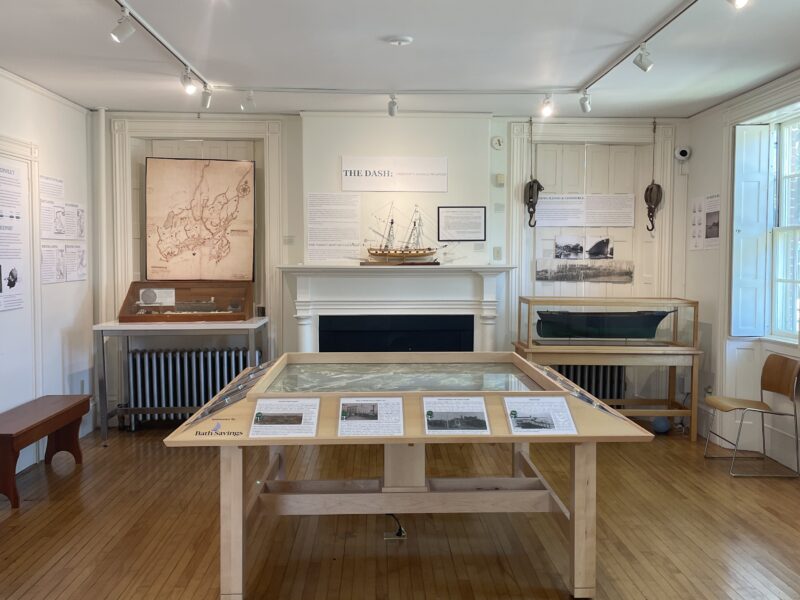
Whether you're curious about Freeport History, a member of our community, or only in Freeport for a few hours, we encourage you to stop by and enjoy our current exhibit!

Current Exhibits

Flash Points

Freeport & the Road to Revolution

Explore the early settlement of the Harraseeket region by Ulster-Scots and English families who worked to build homes during a complex era of Anglo-Wabanaki conflict. Flashpoints: Freeport & the Road to Revolution traces how these residents became involved in the growing imperial crisis through disputes over mast tree harvesting and colonial boycotts. Discover how a generation of shifting loyalties and rising tensions ultimately led the community toward open rebellion.

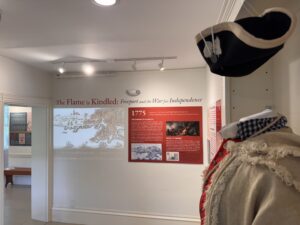
The Flame is Kindled

Freeport & the War for Independence

Continue your journey in The Flame is Kindled: Freeport & the War for Independence, which begins with the 1775 British naval attack on neighboring Falmouth (now Portland, Maine). Follow local residents on their distant campaigns from Valley Forge to the Penobscot Expedition, and explore the resilience of the women and families who sustained the homefront. Ultimately, witness how the profound challenges of this era transformed the community and paved the way for Freeport’s official incorporation as an independent town in 1789.

Standing Exhibition

Freeport, Maine

What do you think of when you hear “Freeport, Maine?”

Is it the iconic L.L.Bean boot or the bustling shopping outlets? Maybe it’s just a familiar stop along U.S. Route One as you travel the Maine coast. But what about the thousands of individuals and families who have called Freeport home?

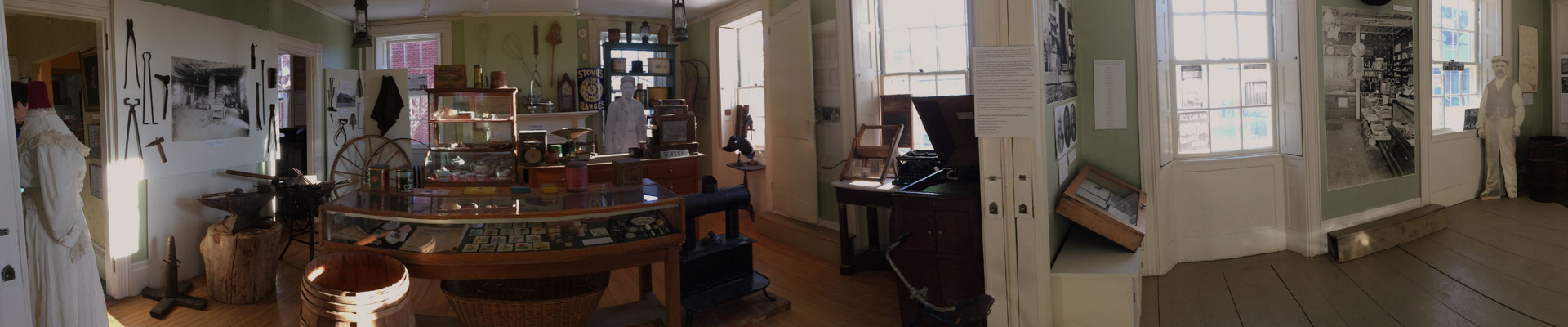
While Freeport is now synonymous with “Maine” in many people’s minds, that wasn’t always the case. In our standing exhibit, explore Freeport’s transformation from a cluster of small coastal villages rooted in shipbuilding and maritime commerce to the global tourist destination it is today.

Past FHS Exhibits

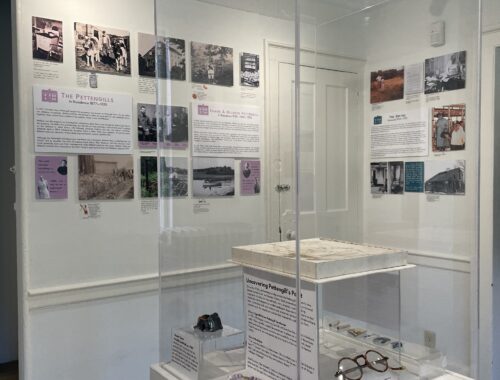
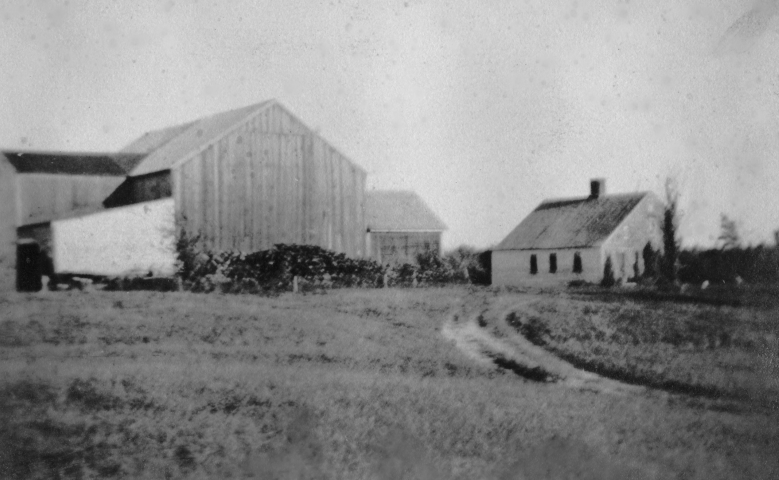
Pettengill Farm: Lives, Land, and Legacy

Long before Pettengill Farm became a beloved Freeport landmark, it was a working farmstead, home to generations of Freeport families. From saltwater farmers to determined widows, mariners to subsistence homesteaders, this exhibit traces the lives and labor that shaped the land and the saltbox house we see today.
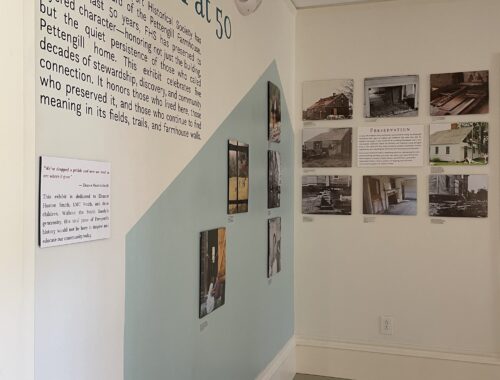
Pettengill at 50

Fifty years ago, Eleanor and Lawrence M.C. Smith gifted Pettengill Farm to the Freeport Historical Society, setting in motion a half-century of preservation, partnership, and public trust. This exhibit honors the people, projects, and philosophies that have protected the saltbox and its landscape. From plaster repairs and archaeological digs to school field trips and Pettengill Farm Day traditions, explore over fifty years of the Society’s stewardship of this incredible site.
 

The Mast Landing: Industry, Commerce, and Its People, 1720s-1920

Co-Curated by Holly Hurd and David Coffin

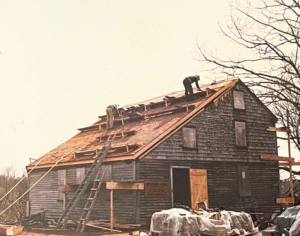
Our most recent exhibit focused on Mast Landing, the area where large pine logs destined to become ship masts were hauled and loaded into the Harraseeket River during the 18th century. Abner and David Dennison moved to town in 1757 and soon after built a sawmill and vessel at the landing. This industrial activity marked the beginning of growth toward a village that would thrive, prosper, and decline as new modes of transportation changed the face of commerce. FHS Trustee David Coffin co-curated the exhibit, which included years of work on the historic Mast Landing village as well as new information about the people who lived and worked there.

Blacksmiths & Storekeepers: Freeport Village Crossroads of Change, 1770-1920

This exhibit highlighted and interpreted changes in Freeport Village over a century-and-a half beginning with the earliest landowners and developers, a blacksmith and store owners, and ending with the multi-store blocks and smithies that dominated the village at the turn of the 20th century.

Stories of Freeport’s Past: Celebrating Our Collections

This exhibit showcased objects that tell an interesting story, for example the top hat of Freeport entrepreneur E.B. Mallet, Jr. who developed Freeport Village in the late 19th century by building a shoe factory, and opening a granite quarry, sawmill, and brickyard to encourage industrial production.

In addition to these strongly “storied” artifacts, we featured some “mystery” objects – items that are intriguing, but come with little or no associated history (except that they are from Freeport) – and objects in our collections not generally seen by the public

Cobblers to Capitalists: Two Centuries of Freeport Shoemaking

While many know that Freeport, Maine is home to L.L. Bean, few are aware that Freeport was once home of a bustling shoemaking industry. The exhibit explored the history of shoemaking in Freeport, from the early itinerant cobblers who constructed custom-made shoes at people’s homesteads in the late 18th century, to the late 19th century assembly-line production characterized by a number of people making different shoe parts, to the final pair of shoes manufactured in town by Eastland Shoe in 2001.